US Potato Harvest: How Modern Tech Unearths 450 Acres Daily
The annual potato harvest is a seminal event for farmers worldwide, marking the culmination of months of meticulous planning, dedication, and hard work. While the image of digging up potatoes might conjure visions of a small family garden, the reality of commercial potato farming in the United States presents a starkly different, technologically advanced picture. The **potato harvest 2020** season, in particular, showcased an incredible leap in agricultural efficiency, with some US farms utilizing cutting-edge machinery to unearth an astounding 400 to 450 acres of potatoes daily. This remarkable feat is a testament to the ingenuity and investment in modern technology that underpins the nation's food supply, transforming fields into veritable goldmines of this versatile tuber.
The Thrill and Trepidation of the Harvest Season
For any farmer, big or small, harvest time is steeped in a unique blend of excitement and apprehension. It's the moment of truth, revealing whether a season's efforts will culminate in a bountiful success or a disappointing setback. The anticipation builds with every passing day, as the health of the crop becomes evident and the potential yield begins to materialize. In years of plenty, like the impressive performance seen in the **potato harvest 2020**, it’s truly the "cherry on the cake"—a gratifying reward after long hours of sweat and toil. Farmers relish the opportunity to see their crops thrive, bringing in a harvest that exceeds expectations. Conversely, unexpected challenges such as adverse weather, pest infestations, or market fluctuations can lead to a harvest season riddled with agony, a time best forgotten quickly. Regardless of the outcome, the sheer scale of effort and the emotional investment make the potato harvest an unforgettable, defining period for those who dedicate their lives to feeding the nation.
A Tale of Two Scales: Backyard Bounty vs. Industrial Efficiency
The **potato harvest 2020** presented a fascinating dichotomy, illustrating both the deeply personal satisfaction of small-scale gardening and the breathtaking efficiency of industrial agriculture.
From Small Plots to Abundant Yields
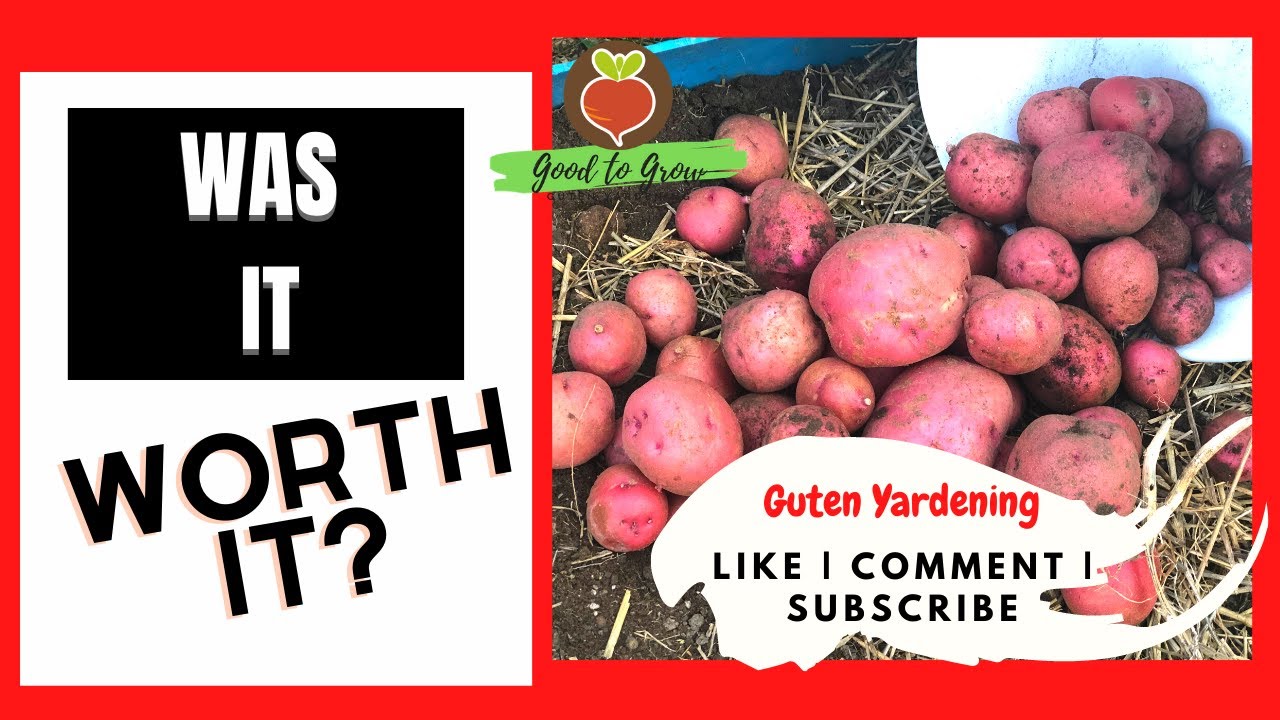
Even amidst a global pandemic that brought initial concerns about food supply, home gardeners experienced their own triumphs. For many, planting potatoes became a therapeutic and rewarding endeavor. Consider the journey of a home gardener cultivating Belmonda seed potatoes. Despite initial backorders due to a perceived "potato shortage" in March 2020, these seeds eventually found their way into the soil by early May. Roughly four months later, as the potato plant vines naturally died back, indicating maturity, the ground yielded its treasures. Belmonda potatoes, celebrated for their deep yellow hue and naturally buttery flavor, quickly became a go-to variety for their excellent taste and versatility, perfect for everything from scalloped dishes and mashed potatoes to rich potato soups and even potentially crispy french fries.
The joy of unearthing over 90 pounds of these delightful potatoes from a small garden plot isn't just about the quantity; it's about the connection to food. It’s about children getting their hands dirty, understanding where their dinner comes from, and proudly proclaiming, "We grew these!" This personal involvement in the **potato harvest 2020** not only provided fresh, high-quality produce but also fostered invaluable family moments and a deeper appreciation for the food chain. The success of such a high-yield harvest in an urban setting demonstrates that quality and abundance aren't exclusive to large farms. For an in-depth look at this particular success story, you might be interested in
High Yield 2020 Potato Harvest: Growing Belmonda in the City. The initial scarcity concerns in early 2020 also highlight the critical importance of a robust agricultural system, a topic explored further in
From Scarcity to Abundance: The 2020 Potato Harvest Story.
The Industrial Revolution of the Field
Shifting from a personal experience to the commercial landscape reveals an awe-inspiring spectacle of modern agriculture. The US, particularly states like Idaho—renowned globally for its potato production—witnessed a **potato harvest 2020** driven by incredible machinery. Farms like J&S Farms Inc. in Parma and Hamilton Triple C Farms in Ririe leveraged advanced technology to efficiently transition produce from the ground to our tables.
Farmers like Jordan, a fourth-generation grower at Hamilton Triple C Farms, openly discuss the challenges and learning curves associated with large-scale potato cultivation. Yet, it's the integration of sophisticated equipment that truly transforms these challenges into triumphs. The use of modern Spudnik potato harvesting equipment, often paired with powerful John Deere tractors, is central to the industry's ability to process vast acreages. This synergy of human expertise and machine power allows for operations of unprecedented scale and speed, ensuring a steady supply of potatoes for consumers across the nation.
The Engineering Marvels Behind 450 Acres Daily
The heart of modern commercial potato farming lies in its innovative machinery. The sheer scale of harvesting 400 to 450 acres daily during the **potato harvest 2020** season, as demonstrated by operations like Taylor Farms in Idaho Falls, is made possible by highly integrated systems.
At the forefront is the 16-row harvesting system, a marvel of agricultural engineering. This system typically involves:
- Eight 6-row windrowers: These machines precisely lift potatoes from the soil and consolidate them into larger rows, preparing them for the main harvester. This initial pass is crucial for maximizing efficiency.
- Four 4-row harvesters: Following the windrowers, these massive machines then pick up the consolidated rows, gently separating the potatoes from soil and debris, and conveying them into waiting trucks.
This coordinated approach dramatically increases throughput. The primary advantages of such advanced systems are profound:
- Reduced Labor Costs: By replacing numerous smaller tractors and operators with fewer, larger, more efficient machines, farms can significantly cut down on labor expenses, a critical factor in a tight agricultural labor market.
- Optimized Logistics: The increased harvesting speed allows for better utilization of truck fleets. Instead of trucks waiting for harvesters, the continuous flow means less downtime and more efficient transport of potatoes from the field to storage or processing facilities.
- Minimized Bruising and Damage: Modern potato harvesters are designed with gentle handling mechanisms, using various belts and cushioning systems to reduce impact and bruising. This is paramount for maintaining potato quality, especially for varieties destined for fresh markets or specific processing, where cosmetic integrity is vital.
- Faster Response to Weather: The ability to clear hundreds of acres in a single day provides a significant advantage, allowing farmers to harvest crops rapidly before adverse weather conditions, like heavy rains or early frosts, can inflict damage.
These technological advancements transform what was once a labor-intensive, slow process into a streamlined, high-volume operation, ensuring that millions of pounds of potatoes reach consumers efficiently and in prime condition.
Beyond the Yield: Sustainability and Future Trends in Potato Farming
While the impressive yields and daily acreage figures of the **potato harvest 2020** highlight productivity, modern agricultural technology offers benefits far beyond mere quantity. These innovations are increasingly intertwined with sustainability efforts and shaping the future of farming.
Precision agriculture, enabled by GPS-guided machinery and data analytics, allows farmers to apply inputs like water, fertilizer, and pesticides with pinpoint accuracy, reducing waste and environmental impact. The ability to complete tasks with fewer passes over the field means less fuel consumption and reduced soil compaction, fostering healthier soil ecosystems.
Looking ahead, the potato industry is continuously evolving:
- Advanced Sensor Technology: Drones and ground-based sensors can monitor crop health, soil moisture, and nutrient levels in real-time, providing actionable insights for optimal management.
- Robotics and AI: Early forms of robotic assistance are emerging for tasks like planting, weeding, and even individual potato inspection, promising further efficiencies and reduced reliance on manual labor.
- Data-Driven Decision Making: Farmers are leveraging big data to predict yields, optimize planting schedules, and make informed choices that enhance profitability and environmental stewardship.
- Climate Resilience: Breeding programs are developing potato varieties more resistant to pests, diseases, and extreme weather, complemented by technologies that help farmers adapt to changing climatic conditions.
The synergy between traditional farming wisdom and cutting-edge technology ensures that potato farming remains productive, resilient, and increasingly sustainable, addressing the complex demands of feeding a growing global population.
The **potato harvest 2020** was more than just digging up a crop; it was a powerful illustration of agricultural resilience and innovation. From the personal satisfaction of a backyard gardener unearthing a bounty of Belmonda potatoes to the awe-inspiring spectacle of industrial harvesters unearthing 450 acres daily in Idaho, the year underscored the profound importance of this humble tuber. Modern technology, with its capacity to reduce labor, minimize waste, and enhance efficiency, has revolutionized the field, ensuring a consistent and high-quality supply of potatoes reaches our tables. As we look to the future, the ongoing integration of advanced tools and sustainable practices will continue to define the story of the US potato harvest, a testament to the dedication of farmers and the endless possibilities of agricultural innovation. So, the next time you enjoy a crispy fry or a comforting bowl of mashed potatoes, remember the incredible journey—and the technological marvels—that brought it from the earth to your plate.